
World Cup 2026 Host Cities and Stadium

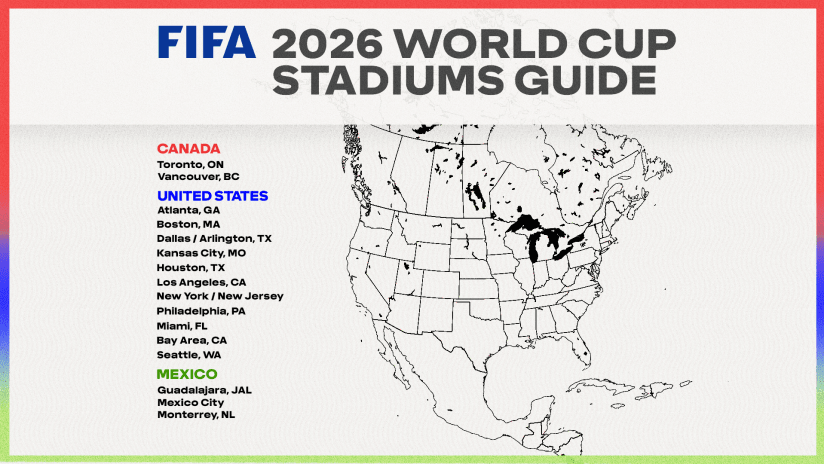
The where is the world cup 2026 question has a clear answer: the 2026 FIFA World Cup will be held across the United States, Canada, and Mexico, with 16 host cities scattered from the Pacific coast to the Atlantic and from the Gulf of Mexico up to the Canadian border. This is the first men’s World Cup jointly hosted by three countries, and the wide geographic spread is one of the main reasons fans search for information on where is the next world cup.
Best Betting Sites for World Cup

bet365
Welcome Bonus- Best live in-play markets
- 500+ World Cup bet types
- Early payout offer
- iOS & Android app

DraftKings
Best App- #1 rated mobile app
- Same-game parlay builder
- Fast instant payouts
- Odds boosts daily

FanDuel
Best UX- Smoothest user experience
- Live streaming available
- Bet builder feature
- Loyalty rewards

BetMGM
Top Odds- Superb WC outright odds
- Odds boost promos
- Full stats centre
- MGM Rewards program

William Hill
100% Acca Boost- Unbeatable WC markets
- Up to 100% acca boost
- Cash out on all matches
- 24/7 customer support
Host Cities by Country
The world cup 2026 location is North America, with most venues in the United States, a strong central bloc in Mexico, and two major Canadian hubs. The 16 host cities are split as 11 in the United States, 3 in Mexico, and 2 in Canada, giving each nation a distinct weight in the tournament schedule.
Each country brings something different: the United States contributes large, modern stadiums and major international airports, Mexico adds historic football culture and huge stadiums, and Canada adds two big cities with vibrant downtowns and strong public transport. The three‑country model creates more travel options for fans, but also more planning complexity across time zones and borders.
United States Host Cities
Atlanta
- Stadium: Mercedes‑Benz Stadium
- Capacity: 75,000 (FIFA‑adjusted)
- City profile: Atlanta is a major Southern hub with a growing soccer culture and a strong fan base for the Atlanta United MLS side. The city’s layout is car‑driven, but the stadium is close to the beltway and the MARTA rail system. )
- Tournament role: Expected to host multiple group‑stage matches and at least one knockout‑round tie.
- Travel note: Hartsfield‑Jackson Atlanta International Airport is one of the busiest in the world, making international access straightforward.
- Fan experience note: The retractable “pinwheel” roof and central pitch design create an intimate atmosphere for large crowds.
Boston
- Stadium: Gillette Stadium
- Capacity: 63,815 (FIFA‑listed)
- City profile: Boston is a compact, historic Northeast city with a passionate sports culture, anchored by the New England Patriots and the MLS club New England Revolution. The stadium is just outside the city in Foxborough, requiring a short drive or train ride.
- Tournament role: Likely to host several group‑stage matches, with its New England location balancing the Northeast footprint.
- Travel note: Logan International Airport links to major global hubs, and the MBTA commuter rail runs service toward the stadium.
- Fan experience note: The stadium’s open‑air bowl and club‑level seating offer classic American football stadium energy adapted for soccer.
Dallas
- Stadium: AT&T Stadium (Dallas Stadium)
- Capacity: 94,000 (FIFA‑adjusted)
- City profile: Arlington‑based AT&T Stadium is one of the largest venues in the competition, known for the Dallas Cowboys and colossal events. The Metroplex region offers extensive hotels and infrastructure. [
- Tournament role: Expected to host multiple group‑stage matches and high‑profile knockout ties, including potential Round of 16 fixtures.
- Travel note: Dallas–Fort Worth International Airport (DFW) is a major connecting hub, making this a practical anchor for fans hopping between US host cities.
- Fan experience note: The retractable roof and giant video board amplify the spectacle, though the sheer size can make the pitch feel distant.
Houston
- Stadium: NRG Stadium
- Capacity: 68,000–72,000 depending on configuration, with FIFA‑listed capacity around that range.
- City profile: Houston is a diverse Gulf Coast city with a strong MLS presence via Houston Dynamo. The stadium is within the NRG Park complex, which includes parking, hotels, and public transport. [
- Tournament role: Likely to host several group‑stage matches and at least one Round of 32 tie.
- Travel note: George Bush Intercontinental Airport (IAH) and the METRO system integrate well with the stadium area.
- Fan experience note: The retractable roof helps manage the Houston summer heat, improving comfort for fans.
Kansas City
- Stadium: Arrowhead Stadium (Kansas City Stadium)
- Capacity: 67,500–73,000 in FIFA configurations, often listed near the middle of that range.
- City profile: Kansas City is a Midwestern hub with a fervent Chiefs‑style atmosphere and a newer MLS side, Sporting Kansas City. The stadium is in the suburbs, with good highway access.
- Tournament role: Expected to host multiple group‑stage matches and one Round of 32 tie.
- Travel note: Kansas City International Airport (MCI) is now refurbished and well connected, easing North American and domestic access.
- Fan experience note: The loud, open‑air bowl is built for big crowds and anthems, which can heighten the World Cup atmosphere.
Los Angeles
- Stadium: SoFi Stadium (Los Angeles Stadium)
- Capacity: 70,000 (FIFA configuration)
- City profile: Located in Inglewood, SoFi is a state‑of‑the‑art complex shared by the Los Angeles Rams and Chargers. The region combines sunny weather with a dense network of hotels and car‑based infrastructure.
- Tournament role: Scheduled to host eight matches, including five group‑stage fixtures, two Round of 32 ties, and one quarter‑final.
- Travel note: Los Angeles International Airport (LAX) is a major global hub, and the LA basin is well served by freeways, though traffic is a factor.
- Fan experience note: The roof structure and video board create a cinematic feel, while the modern amenities improve comfort in warm weather.
Miami
- Stadium: Hard Rock Stadium
- Capacity: 64,000–68,000 with FIFA‑adjusted configuration; listed around 64,000 in some tournament tables.
- City profile: Situated in Miami‑Dade County, this venue is home to the Miami Dolphins and has a tropical, bilingual atmosphere. The region is a natural draw for fans from Latin America and the Caribbean. [
- Tournament role: Expected to host several group‑stage matches and one Round of 32 tie.
- Travel note: Miami International Airport (MIA) is a key gateway for South and Central American visitors.
- Fan experience note: The stadium is optimized for heat and humidity, with shaded seating and open concourses helping fans move comfortably.
New York / New Jersey
- Stadium: MetLife Stadium (New York New Jersey Stadium)
- Capacity: 82,500 (FIFA configuration)
- City profile: Located in East Rutherford, New Jersey, this massive venue is the home of the New York Giants and New York Jets. The New York City area offers a global cultural draw and excellent public transit.
- Tournament role: Scheduled for multiple group‑stage and knockout matches, including the where is the 2026 world cup showpiece, the final on 19 July.
- Travel note: The host region is served by JFK, LaGuardia, and Newark airports, with frequent trains and buses into Manhattan and the stadium.
- Fan experience note: The natural‑grass pitch and multi‑tiered bowl are scaled for huge crowds, making it a fitting stage for the climax of the tournament.
Philadelphia
- Stadium: Lincoln Financial Field (Philadelphia Stadium)
- Capacity: 65,800–69,000; FIFA‑listed near the lower end of that band.
- City profile: A compact Northeast city with a strong soccer following and a successful MLS side, Philadelphia Union. The stadium is in South Philadelphia, with easy access from the regional rail network.
- Tournament role: Likely to host several group‑stage matches and one Round of 32 tie.
- Travel note: Philadelphia International Airport (PHL) and the SEPTA system link the city to the stadium efficiently.
- Fan experience note: The stadium’s steep, tight stands create a loud, close‑to‑the‑pitch atmosphere that translates well to major soccer events.
San Francisco Bay Area
- Stadium: Levi’s Stadium (San Francisco Bay Area Stadium)
- Capacity: 69,000–71,000; FIFA‑listed near 69,000.
- City profile: Located in Santa Clara, this venue is the home of the San Francisco 49ers and sits in the heart of Silicon Valley. The region is a major tech hub with strong international flight links. [
- Tournament role: Expected to host multiple group‑stage matches and one Round of 32 tie.
- Travel note: San Francisco International Airport (SFO) and the AC Transit/Caltrain systems cover the wider Bay Area.
- Fan experience note: The open‑air design and natural grass, combined with a relatively compact bowl, create a clean, modern soccer‑friendly environment.
Seattle
- Stadium: Lumen Field
- Capacity: 65,000–69,000; FIFA‑listed near 65,000.
- City profile: In the Pacific Northwest, Lumen Field is the home of the Seattle Sounders and suits the city’s tech‑driven, outdoors‑oriented culture. The stadium is downtown, making it walkable from hotels and light‑rail. [
- Tournament role: Scheduled for four group‑stage matches and two knockout‑round ties, including Round of 32 fixtures.
- Travel note: Seattle‑Tacoma International Airport (SEA) is a major West Coast hub, and the Link light‑rail runs directly to the stadium.
- Fan experience note: The steep stands and rooftop views of downtown Seattle give Lumen a distinctive, intimate feel for its size.
Mexico Host Cities
Mexico City
- Stadium: Estadio Azteca
- Capacity: 83,000 (post‑renovation FIFA configuration)
- City profile: One of the largest metropolitan areas in the Western Hemisphere, Mexico City is the cultural and political heart of Mexico football. The stadium sits at high altitude, giving it a unique atmosphere and earning it a place in football history.
- Tournament role: Set to host three group‑stage matches, one Round of 32 tie, and one Round of 16 match, including the opening match of the tournament. [
- Travel note: Benito Juárez International Airport (MEX) connects to major global hubs; the city’s metro system reaches the stadium area.
- Fan experience note: The stadium’s towering stands and deafening crowd make it one of the most intimidating yet electrifying venues in the competition.
Guadalajara
- Stadium: Estadio Akron
- Capacity: 44,000–48,000; FIFA‑listed near 44,000 for the tournament.
- City profile: As the second‑largest city in Mexico, Guadalajara brings a traditional, club‑driven football culture built around Chivas and Atlas. The stadium is modern, with a compact bowl and good sightlines. [
- Tournament role: Expected to host three group‑stage matches and one Round of 32 tie.
- Travel note: Don Miguel Hidalgo y Costilla International Airport (GDL) is well connected within North and Central America.
- Fan experience note: The stadium’s design focuses on keeping the pitch close to supporters, which helps maintain a compact, loud atmosphere.
Monterrey
- Stadium: Estadio BBVA (Estadio de Monterrey)
- Capacity: 50,000–53,500; FIFA‑listed near 50,000.
- City profile: In northern Mexico, Monterrey is an industrial and commercial hub with a strong Liga MX following via CF Monterrey. The stadium is a modern, eco‑conscious venue with low‑voltage systems and compact energy solutions. [
- Tournament role: Scheduled for three group‑stage matches and one Round of 32 tie.
- Travel note: General Mariano Escobedo International Airport (MTY) is a major northern gateway, with good road links to the stadium.
- Fan experience note: The stadium’s compact layout and club‑focused design create a tight, passionate matchday environment.
Canada Host Cities
Toronto
- Stadium: BMO Field (Toronto Stadium)
- Capacity: 44,000–48,000; FIFA‑listed near 44,000 for the tournament.
- City profile: Canada’s largest city, Toronto blends a multicultural population with a strong MLS presence via Toronto FC. The stadium is by the lakefront, with a compact bowl and modern upgrades.
- Tournament role: Expected to host several group‑stage matches, including Canada’s opening‑tournament match, and at least one Round of 32 tie.
- Travel note: Toronto Pearson International Airport (YYZ) is the busiest in Canada, with excellent connections across North America and Europe.
- Fan experience note: The intimate, bowl‑style seating and rooftop views of the city skyline give BMO a distinct, club‑football‑style feel.
Vancouver
- Stadium: BC Place (BC Place Stadium)
- Capacity: 48,000–54,000; FIFA‑listed near 48,000 for the tournament.
- City profile: On the Pacific coast, Vancouver is a scenic, outdoor‑oriented city with a vibrant MLS club, Vancouver Whitecaps. The stadium is downtown, under a retractable roof, and near the waterfront. [
- Tournament role: Likely to host several group‑stage matches and one Round of 32 tie.
- Travel note: Vancouver International Airport (YVR) is well connected, and the SkyTrain links the city and the stadium area.
- Fan experience note: The roof and retractable sections help manage rain and cool evenings, giving fans better comfort in the coastal climate.
Stadium Profiles
The where is fifa world cup 2026 question applies to the whole footprint, but the most iconic venues carry the heaviest schedule. Estadio Azteca in Mexico City, for instance, will host three group‑stage matches, a Round of 32 tie, and a Round of 16 tie, making it the spiritual heart of the tournament in Mexico. The stadium opened in 1966 and has already hosted two World Cup finals, lending it unmatched historical weight. Its high‑altitude location and cavernous bowl contribute to one of the most intense atmospheres in world football.
SoFi Stadium in Los Angeles is one of the youngest venues, opening in 2020 as a multipurpose complex for the NFL’s Rams and Chargers. FIFA will configure it for about 70,000 fans, with eight matches scheduled across the group stage, Round of 32, and a quarter‑final. The massive roof and interior video board create a high‑production matchday experience, and the stadium’s proximity to major freeways and hotels makes it a central hub for West Coast travel.
MetLife Stadium near New York City is the largest stadium in New Jersey and will be branded as “New York New Jersey Stadium” for the tournament. With a capacity of 82,500, it is set to host the final and multiple other high‑profile games, giving it the status of the centerpiece venue. The stadium’s history includes the Super Bowl and international finals, and its location near major airports and transit lines makes it one of the most accessible large‑scale venues in the competition.
Match Allocation by Venue
The where will the fifa world cup 2026 take place question is really about how matches are spread across the 16 venues. FIFA assigns fixtures based on a mix of capacity, city infrastructure, and the stage of the competition, so the biggest stadiums—like AT&T Stadium in Dallas, Estadio Azteca in Mexico City, and MetLife in New York/New Jersey—carry the heaviest load, including the final and multiple knockout ties.
Not every city sees the same number of matches: major hubs host eight to ten fixtures, while some smaller or mid‑sized venues are limited to three or four group‑stage matches plus one Round of 32 tie. The 48‑team format means more group‑stage matches overall, so medium‑size stadiums still play a meaningful role even if they do not host later rounds.
Travel and Fan Experience
The where is fifa world cup 2026 spread creates both opportunities and logistical challenges. The United States offers the most international airports and direct flights, making it relatively easy to reach most host cities, while Mexico and Canada require a bit more planning for cross‑border rail, road, and air links.
Within cities, public transport varies: New York, Toronto, and Vancouver have strong metro or light‑rail systems that reach the stadiums, whereas places like Atlanta and Houston lean more heavily on shuttles and private cars. The climate also differs, from the intense heat in Dallas and Houston to the cooler, marine‑influenced temperatures in Seattle and Vancouver, which fans should factor into ticket and accommodation choices.
Accessibility and Sustainability
Accessibility is built into the stadium design at most venues, with designated seating for disabled fans, accessible entrances, and improved circulation through concourses. Public transport‑linked sites such as New York/New Jersey, Toronto, and Vancouver emphasize car‑free access for larger crowds, while others rely on expanded shuttle services and dedicated drops‑off points.
Sustainability and legacy planning have been part of the bid and construction phases for newer venues like SoFi Stadium and the renovated Estadio Azteca, which include energy‑efficient systems, water‑saving measures, and long‑term use plans for local clubs and events. These commitments are designed to ensure that the where is the world cup final 2026 legacy extends beyond the tournament itself.
Tips for Visiting Fans
Book hotels early, especially in compact cities like New York/New Jersey, Mexico City, and Vancouver, because hotel stock around key stadiums tends to fill quickly. Plan multi‑city travel by focusing on regional clusters—West Coast (Los Angeles, San Francisco, Seattle), Mid‑South (Atlanta, Dallas, Houston, Kansas City), and East Coast (Miami, Boston, New York/New Jersey, Philadelphia)—to minimize long‑haul flights.
Check the weather and time‑zone differences between countries, especially when moving between the US, Canada, and Mexico, and allow extra time for border crossings and airport transfers. Budget for local transport, as stadium‑zone shuttles and public‑transit upgrades are common during the tournament. Arrive early on match days, particularly at large venues like MetLife and Estadio Azteca, where queues and security checks can be lengthy. The which stadium hosts the 2026 world cup final is MetLife, so fans aiming for the final should prioritize lodging and travel plans well in advance.
FAQ
The 2026 World Cup is co‑hosted by the United States, Canada, and Mexico, with matches in 16 cities across the three countries.
The United States has the most host cities, with 11 venues, followed by Mexico with 3 and Canada with 2.
No. Most venues are existing stadiums that have been upgraded for the tournament, with only a few, like SoFi Stadium, being relatively recent constructions.
Yes. The final will be played at MetLife Stadium in East Rutherford, New Jersey, just outside New York City.
